About the Medicine I Believe In

Excellent pediatric care begins with accurate diagnosis and evidence-based treatment, but exceptional care requires something more. Children and families need clarity, compassion, and confidence in the people caring for them. In moments of illness and uncertainty, communication becomes part of the treatment itself. It helps families understand what is happening, participate meaningfully in decisions, and continue caring for their child long after leaving the hospital. I believe communication is the means by which physicians earn trust, and trust is the foundation upon which exceptional care is built.
These beliefs also shape my work as a clinician-educator. The purpose of medical education is not simply to produce knowledgeable physicians, but to improve the care patients receive. Physicians must learn to think critically, communicate with clarity and honesty, and become comfortable practicing amid uncertainty. These qualities are essential to earning the trust of patients, families, and colleagues, yet they do not emerge automatically. They must be intentionally modeled, practiced, reflected upon, and reinforced throughout training.
Whether caring for a hospitalized child, mentoring a learner, designing a curriculum, or improving communication across a healthcare team, I am guided by the same goal: to develop physicians and systems capable of delivering thoughtful, evidence-based, and deeply human care. I am especially drawn to the places where medicine is most challenging: diagnostic uncertainty, professional formation, transitions in responsibility, ethical tension, and communication across teams. In these unscripted moments, trust is not an added benefit; it is the foundation.
My work naturally spans clinical care, quality improvement, medical education, leadership, and scholarship.
About How I Put That Belief Into Practice
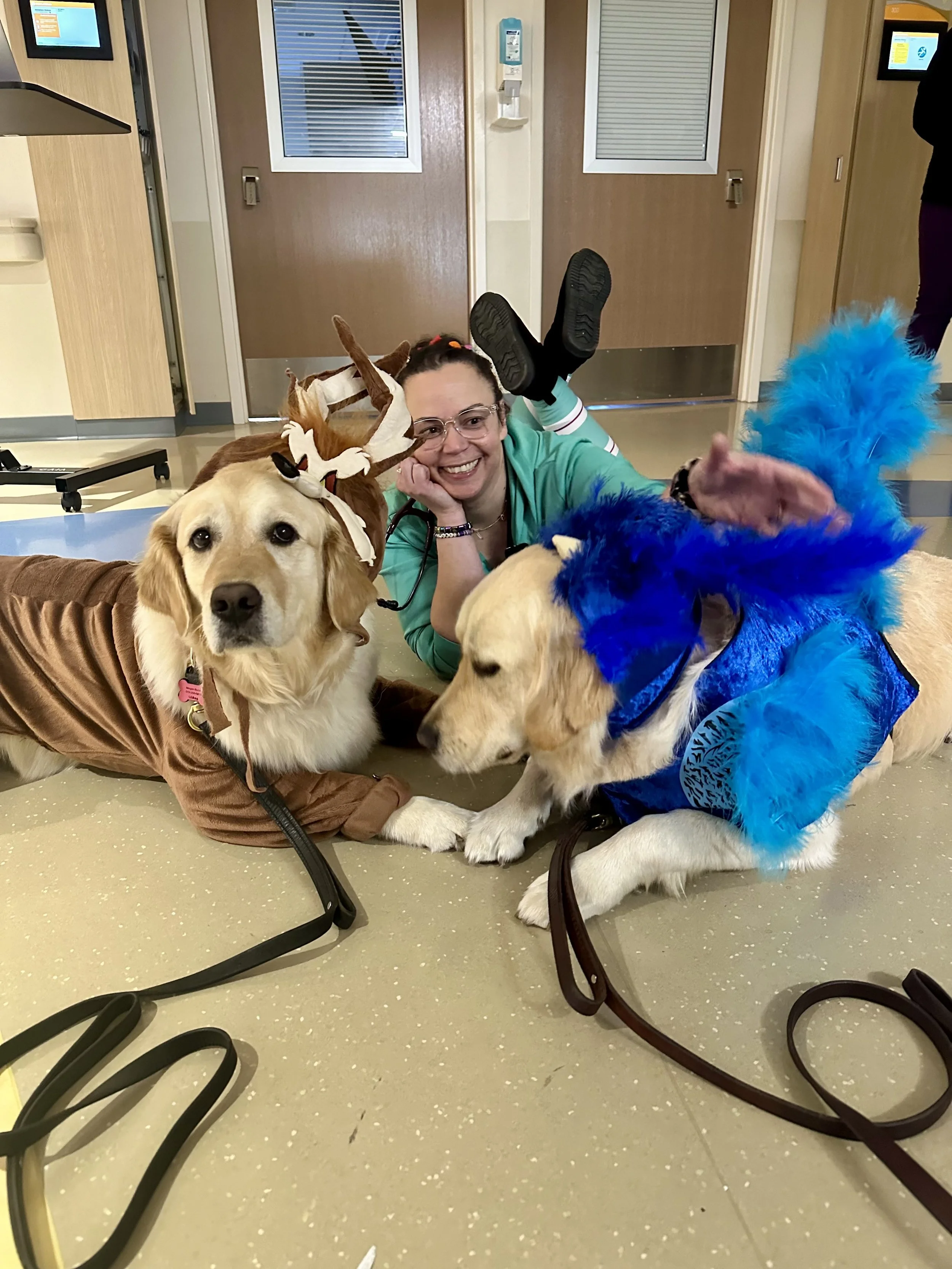
As a pediatric hospitalist, I care for acutely ill and medically complex children during some of their families' most uncertain moments. My clinical practice emphasizes thoughtful diagnostic reasoning, clear communication, and therapeutic partnerships that help patients, families, and our entire healthcare team navigate uncertainty with confidence.
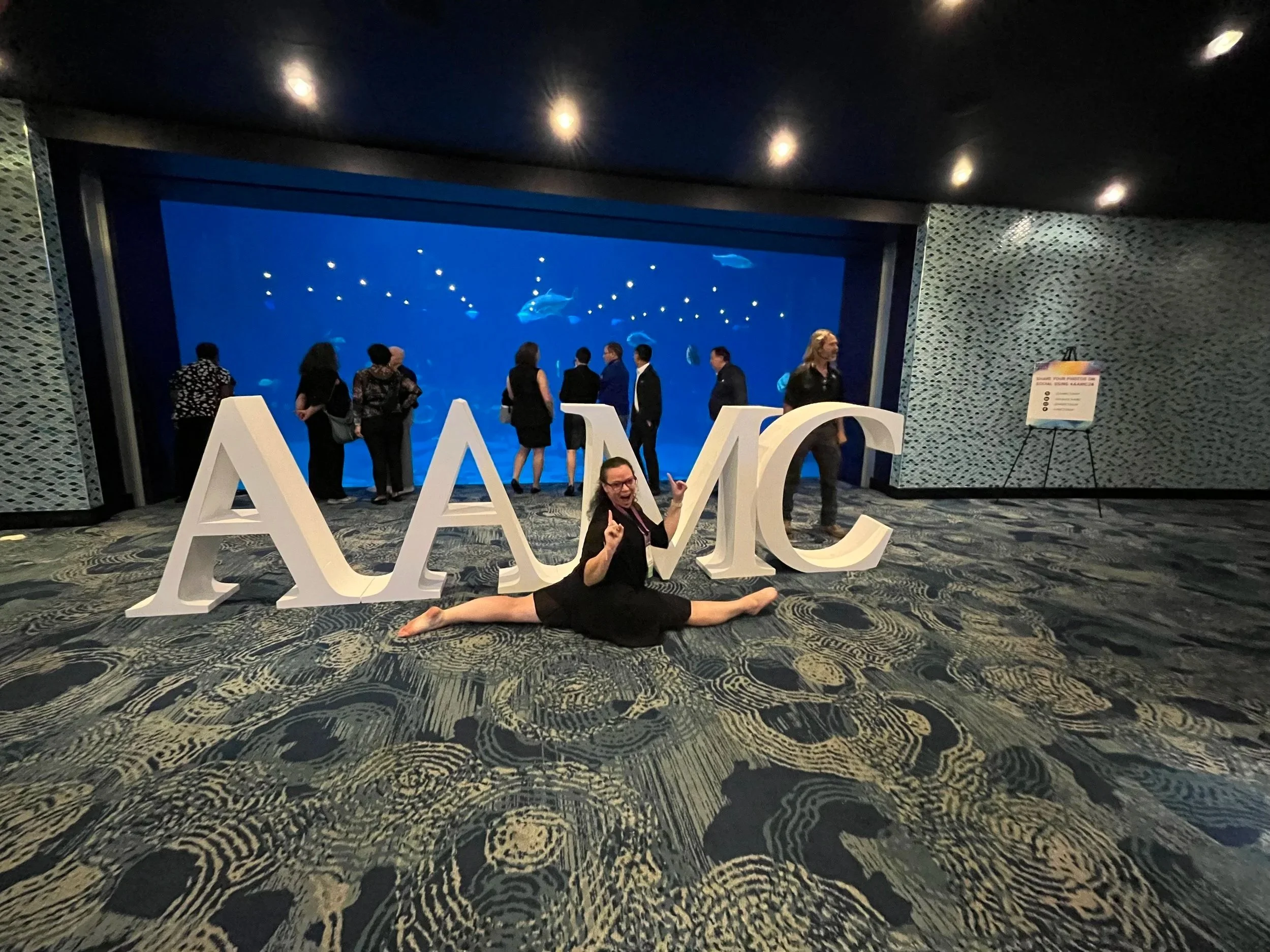
One of the unexpected benefits of pediatrics is knowing that sometimes the most professional thing you can do is be a little silly!
Pediatric Hospital Medicine
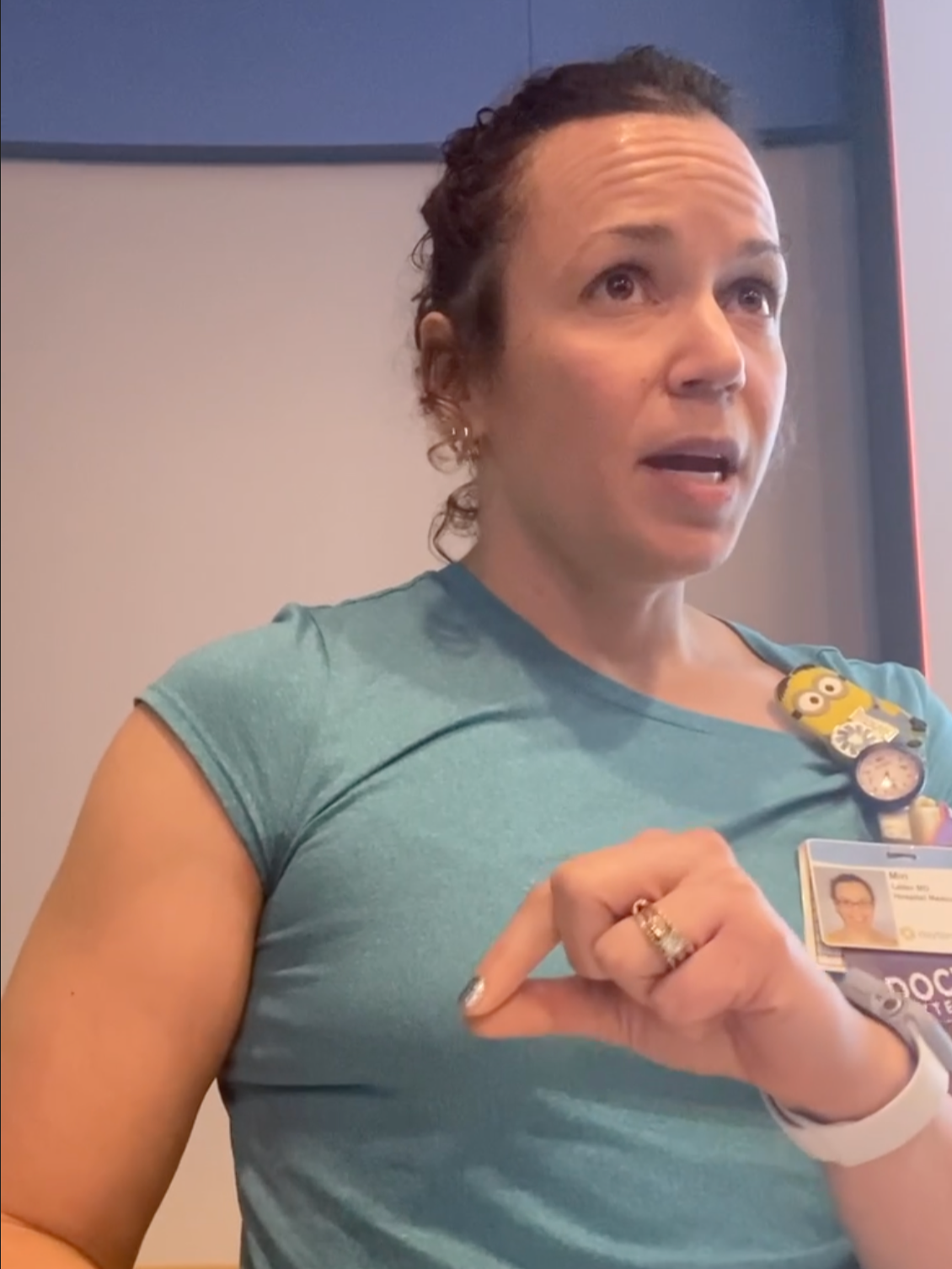
I view quality improvement as the bridge between recognizing a problem and creating a better way forward. After completing the Intermediate Quality Improvement Course (IQIC), I have led initiatives including safe infant sleep and interdisciplinary nighttime communication, applying structured improvement methods to strengthen collaboration, improve educational systems, and make care safer for patients during hospitalization and beyond discharge.
For me, quality improvement is not about fixing people; it is about designing systems that help good people provide excellent care.
Quality Improvement
Leadership
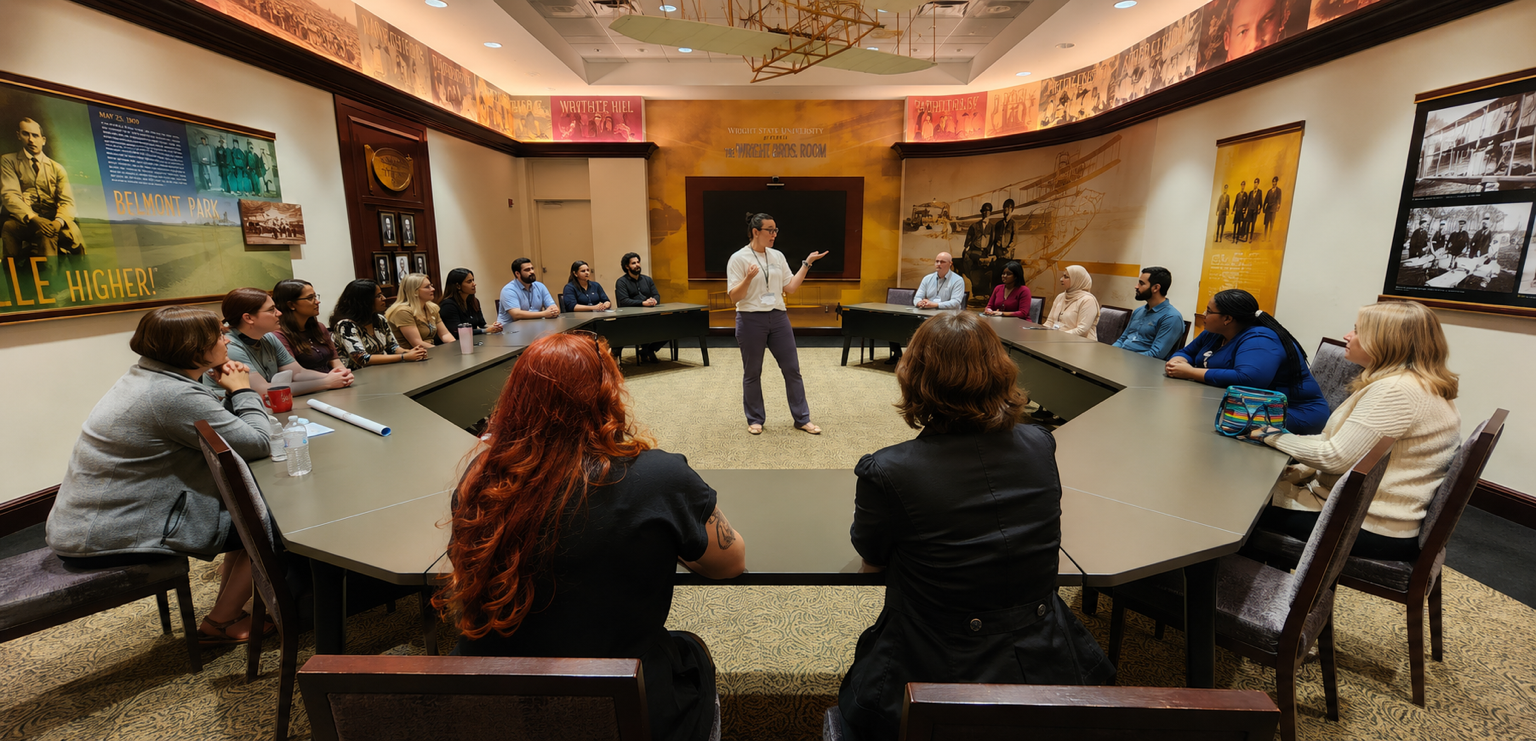
My leadership has ranged from directing educational programs to serving as Associate Dean for Student Affairs and Admissions at Wright State University Boonshoft School of Medicine. Leadership development through Wright State University's Professional Leadership Academy and Dayton Children's Hospital's Physician Leadership Academy strengthened my approach to organizational leadership, strategic planning, and change management.
Beyond formal training, I have had the privilege of building and developing teams, establishing shared mission and values, and creating expectations for collaboration, communication, and accountability. These experiences have reinforced my conviction that healthy teams are created intentionally—not accidentally hired.
My leadership continues to be shaped by curiosity, humility, service, and a simple belief: when people are supported well, they accomplish far more together than they ever could individually.
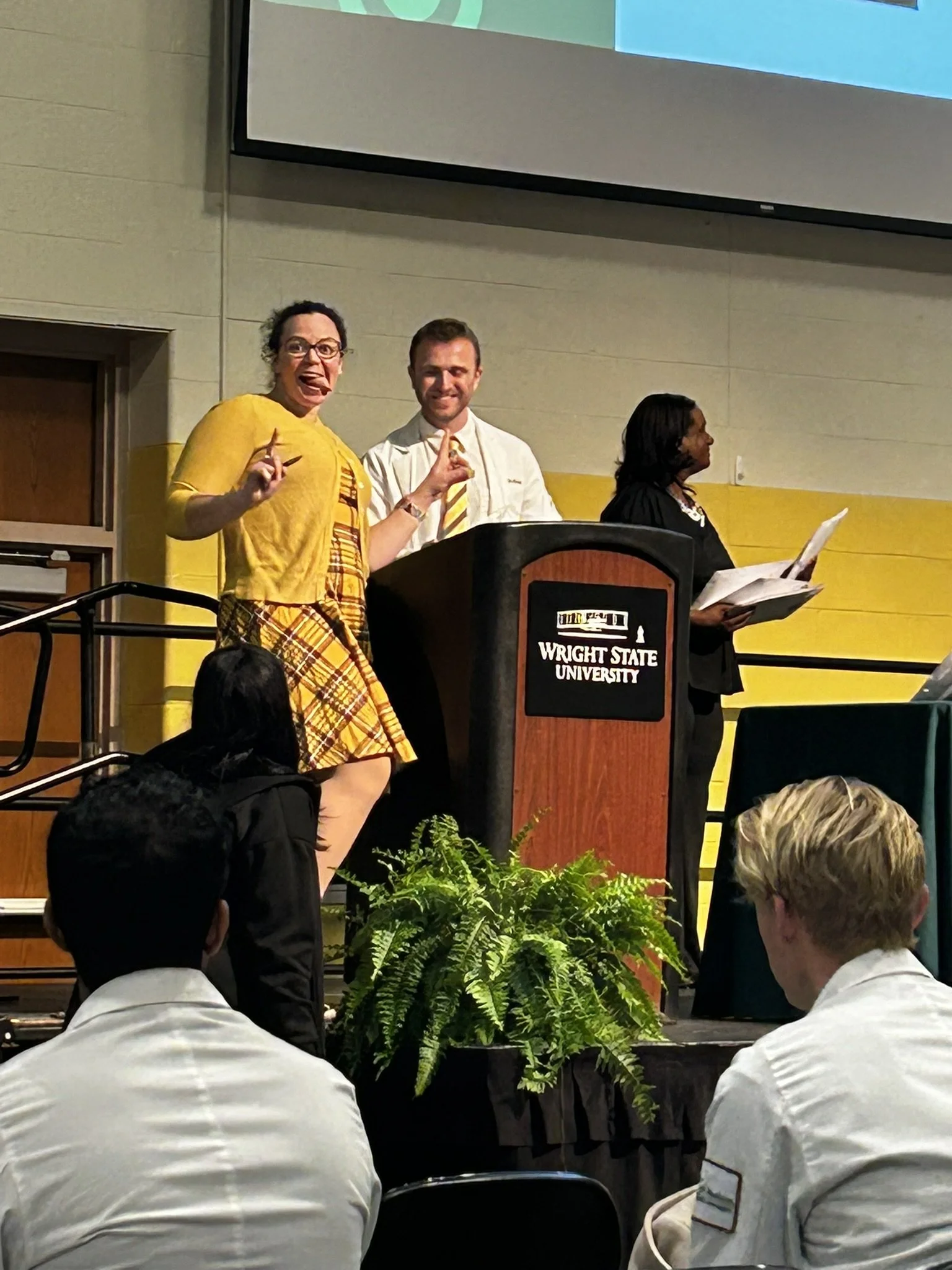
As a clinician-educator, I believe every physician has a responsibility to leave the profession stronger than they found it. For me, that means helping develop physicians who think critically, communicate clearly, exercise sound judgment, and never lose sight of the people behind the diagnosis. My work spans the continuum of medical education, from aspiring physicians and medical students to residents and fellows. Through teaching, mentorship, curriculum design, learner assessment, transition-to-residency education, and professional identity formation, my goal is simple: to help prepare physicians who will care for tomorrow's patients even better than we care for today's.
Medical Education
Scholarship
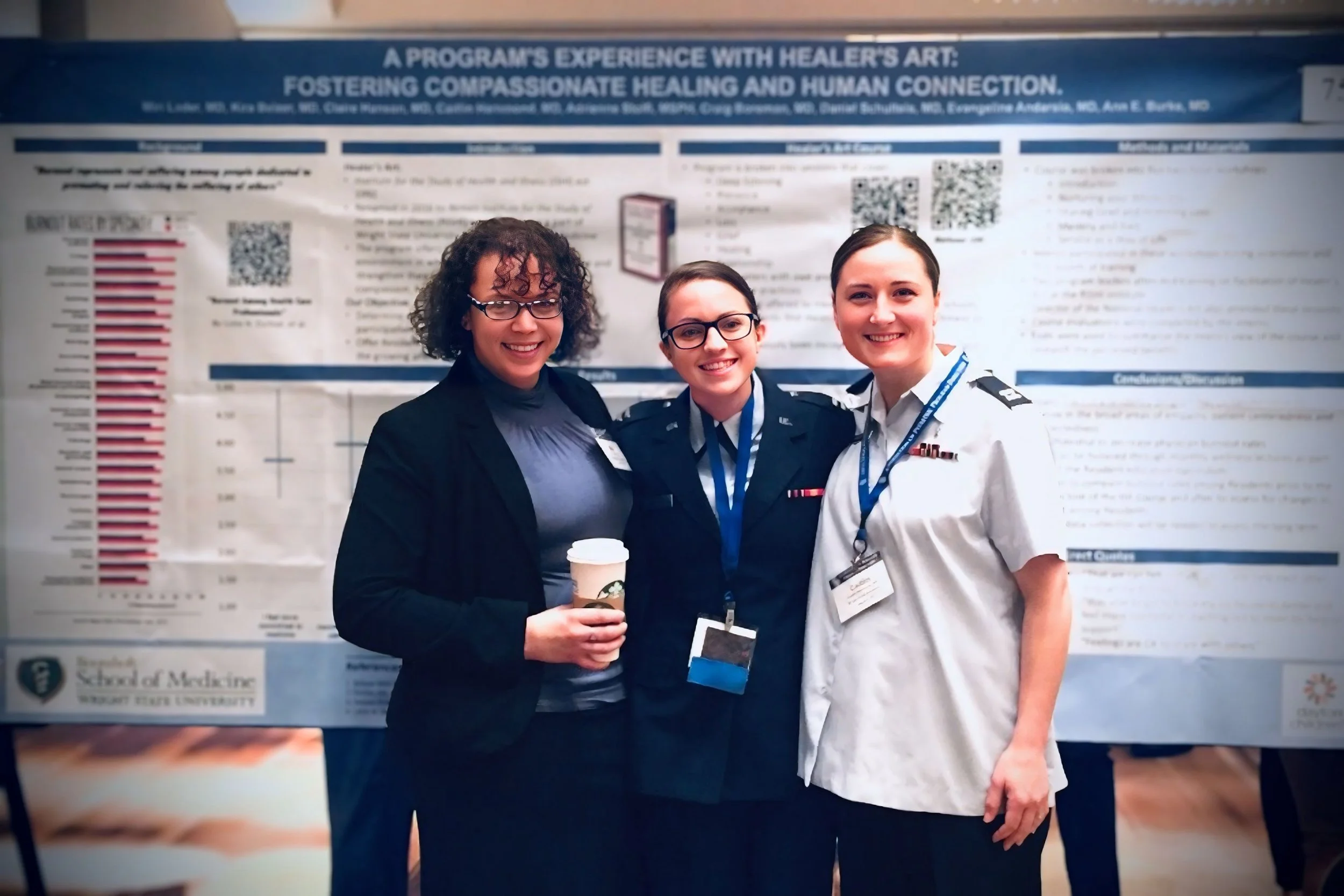
My scholarship spans educational innovation, clinical scholarship, and medical ethics, with a common interest in how physicians are prepared to care, communicate, reason, and act responsibly within increasingly complex systems.
My academic interests include competency-based medical education, transition-to-residency, therapeutic communication, biomedical ethics, diagnostic reasoning, and educational systems design. Across this work, I am particularly interested in translating ideas into practical improvements in patient care, teamwork, and physician training.
More recently, my scholarship has explored physician moral agency and professional identity through the lens of medical ethics and the history of Nazi medicine. This work led me to develop Conscience Independence, a framework describing the physician's capacity to preserve independently functioning ethical judgment as professional, institutional, and societal expectations shift.