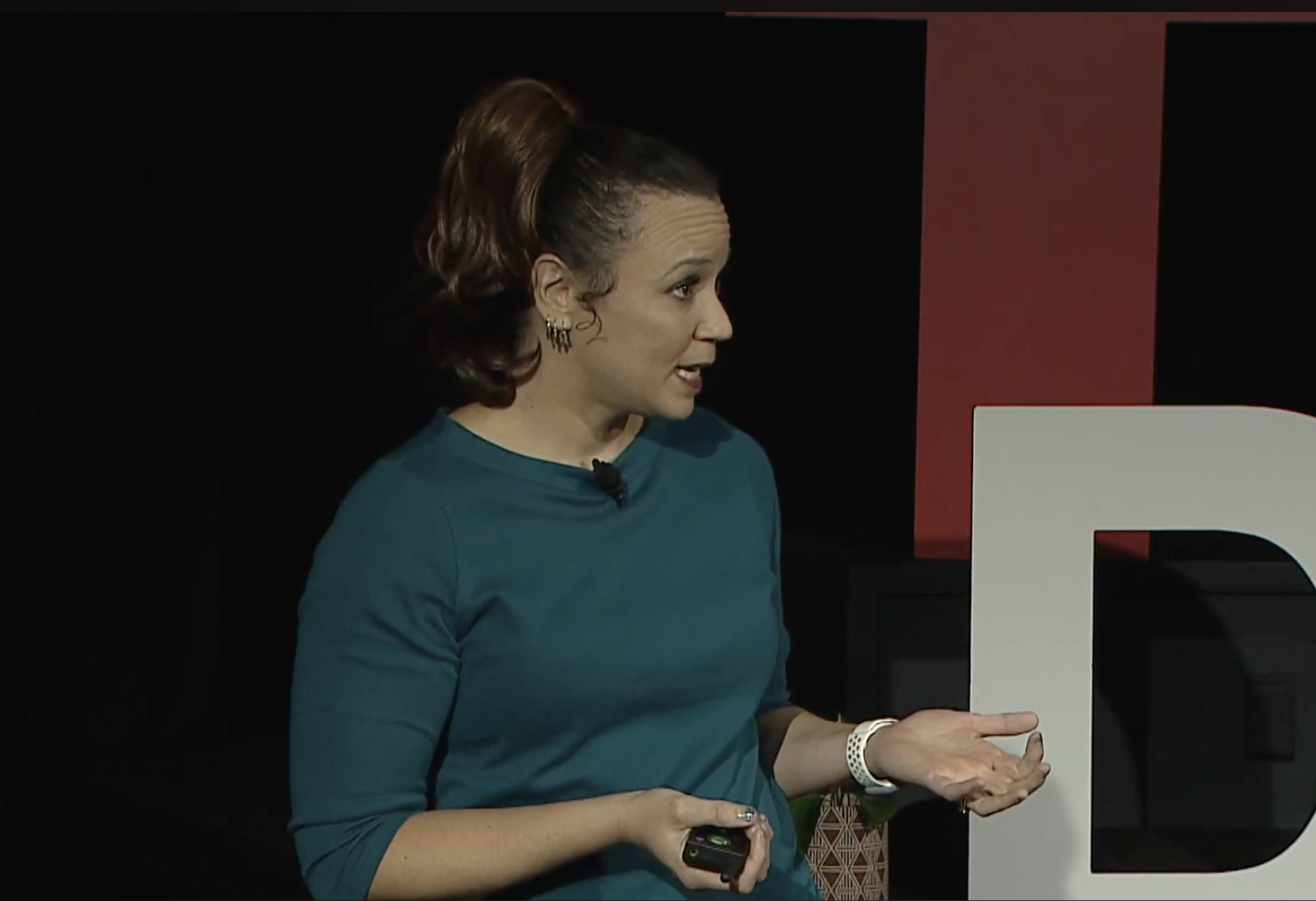
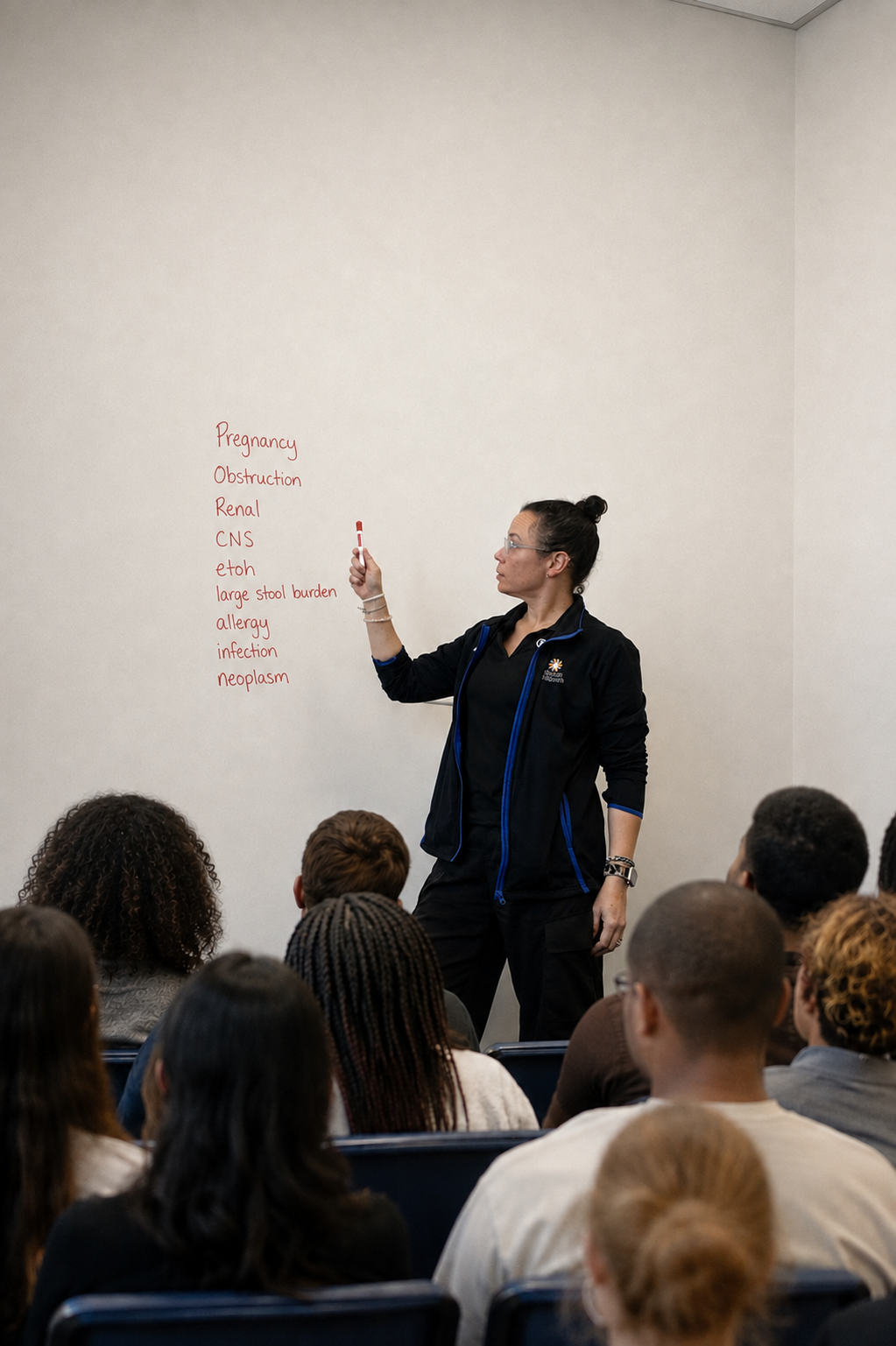
I speak with physicians, medical educators, administrative teams, and learners about the human responsibilities that sit beneath the practice of medicine.
My talks combine evidence, practical experience, storytelling, and questions worth continuing long after the presentation ends.
-
Trust is fundamental to the practice of medicine, but it cannot be assumed simply because a physician walks into the room. This talk explores how physicians earn and steward trust through honesty, humility, presence, and communication—particularly in moments when certainty is impossible. Drawing from the realities of clinical care, I examine how acknowledging uncertainty can strengthen rather than undermine the physician-patient relationship, and how we can make room for trust even when we cannot offer all the answers
-
Communication is not something that happens alongside clinical care; it is part of the care itself. This talk examines why communication so often fails despite good intentions, what it actually means to create shared understanding, and why responsibility for successful communication rests with the person doing the communicating. Through practical examples and evidence-based strategies, I explore how physicians can recognize misunderstanding, reduce jargon, listen differently, and communicate in ways that allow patients and families to truly understand and participate in their care
-
Medicine trains physicians to search for answers, yet some of our most consequential moments occur before an answer exists. This talk explores how we prepare learners to function thoughtfully in diagnostic and clinical uncertainty: reasoning carefully without premature closure, communicating honestly without abandoning reassurance, and remaining present when medicine cannot immediately provide an answer. The goal is not to make physicians comfortable with not knowing, but to help them become capable of practicing responsibly while they find out
-
Medical education should prepare learners not simply to complete their current stage of training, but for the responsibilities they are about to inherit. Drawing from my work in curriculum development and transition-to-residency education, this talk examines the gaps that emerge between what medical students are taught and what we soon expect new physicians to do independently. It challenges educators to look beyond milestones and ask a more consequential question: Are we preparing learners for what comes next?
-
How do we prepare physicians to remain fully engaged members of the profession without surrendering independent ethical judgment when the values around them begin to shift? Drawing from medicine's history under National Socialism, contemporary scholarship in professional identity formation, and my framework of Conscience Independence, this talk examines the physician's responsibility to continually examine, recalibrate, and ultimately act upon ethical judgment. It asks medical educators to consider whether ethical independence can, and must, be deliberately cultivated during physician formation.
-
Meaningful change rarely begins with one person having all the answers. It begins by understanding the people who will build it together. Drawing from my experiences in clinical quality improvement, medical education, institutional leadership, and principles from organizational behavior, this talk explores how leaders create shared purpose, recognize and amplify the strengths of their teams, navigate disagreement, and build genuine ownership rather than mere compliance.
The goal is not simply to manage people effectively, but to intentionally create the conditions in which people can do meaningful work together.
Representative Topics
If one of these ideas would serve your audience, or if you're imagining something different, I'd be glad to talk about what might fit.
Let's start a conversation.