Teaching
"
The goal of medical education is not to recreate ourselves, but to prepare the next generation to carry medicine further than we ever could.
"
- Miri Lader, MD.
|
" The goal of medical education is not to recreate ourselves, but to prepare the next generation to carry medicine further than we ever could. " - Miri Lader, MD. |
Why Invest in Medical Education?
An investment in medical education has extraordinary reach. The knowledge, skill, and professional values we cultivate in each learner do not end with that learner; they are carried forward into every clinical encounter, every team they join, and eventually, every learner they will one day teach.
The responsibility of medical education, then, is larger than preparing someone to pass an exam or successfully complete the next step of training. It is how we strengthen the future of medicine itself, by ushering in physicians who think critically, communicate intentionally, navigate uncertainty with humility, and possess the confidence to exercise their own clinical judgment. Our success should not be measured by how closely the next generation resembles us, but by how well prepared they are to take medicine further than we ever could.
When I teach one learner, I am investing not only in the physician they are soon to become, but in every patient who will place their trust in them TOMORROW.
Three principles shape how I approach the responsibility of educating future physicians.
Meeting
Learners
Where
They
Are
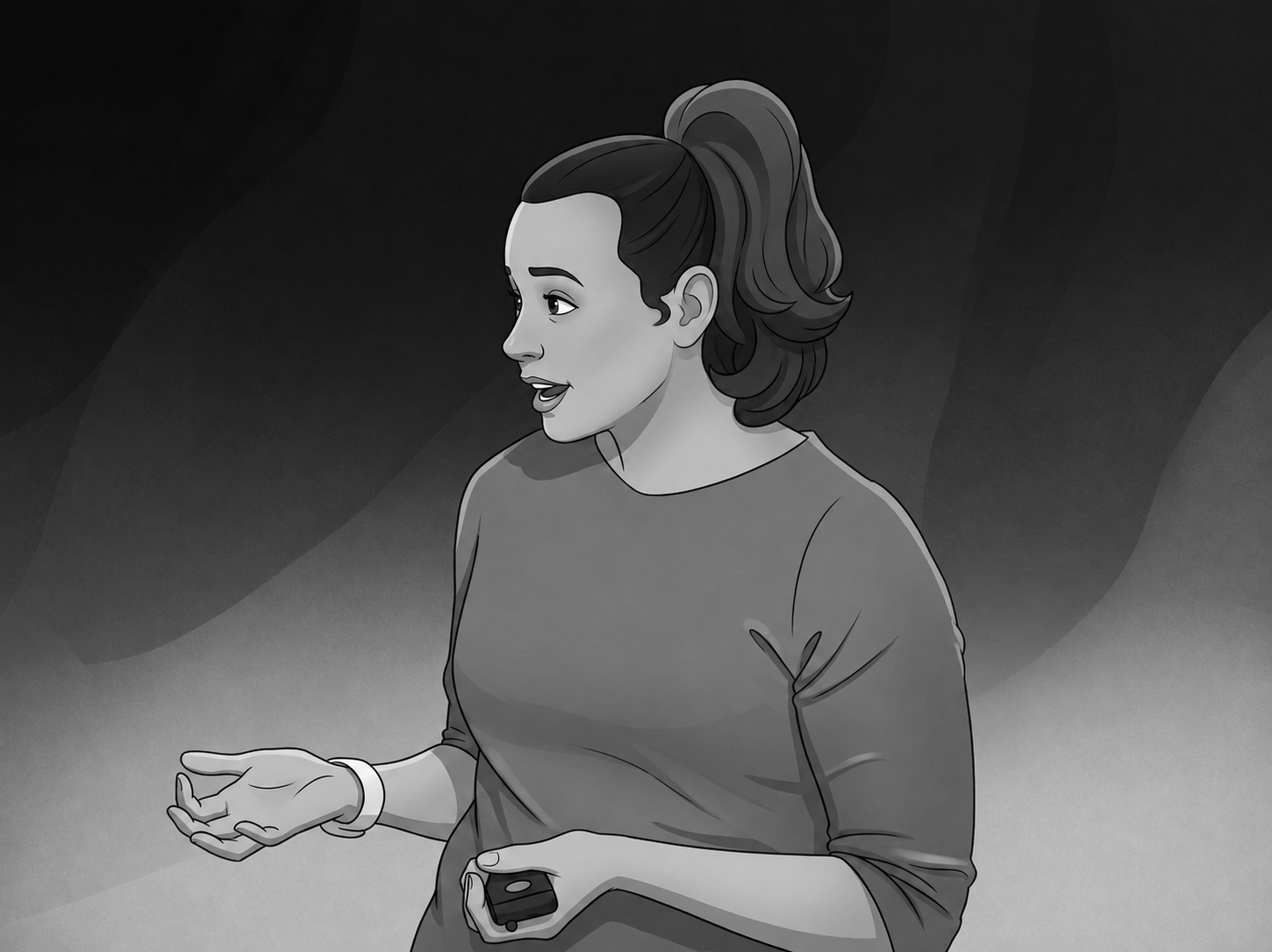
No two medical learners begin their journey with exactly the same experiences, confidence, strengths, or needs. As such, I do not believe effective teaching can ever begin with what the teacher wants to teach; it must begin with a mutual understanding of where the learner is, and where they want to go. This means paying attention to what the learner already knows, where they are uncertain, what they are ready to do independently, and when they need someone beside them. Only then are we ready to create a shared vision of success.
Meeting learners where they are, of course, does not mean leaving them there. My role as an educator is to create an environment with enough psychological safety for learners to ask questions, acknowledge what they do not know, try, struggle, and receive meaningful feedback that helps them grow. As learners progress, my presence evolves: sometimes teaching directly, sometimes coaching from beside them, all towards the ultimate goal of safely stepping back and watching them fly.
Teaching
Beyond
the
Medical
Knowledge
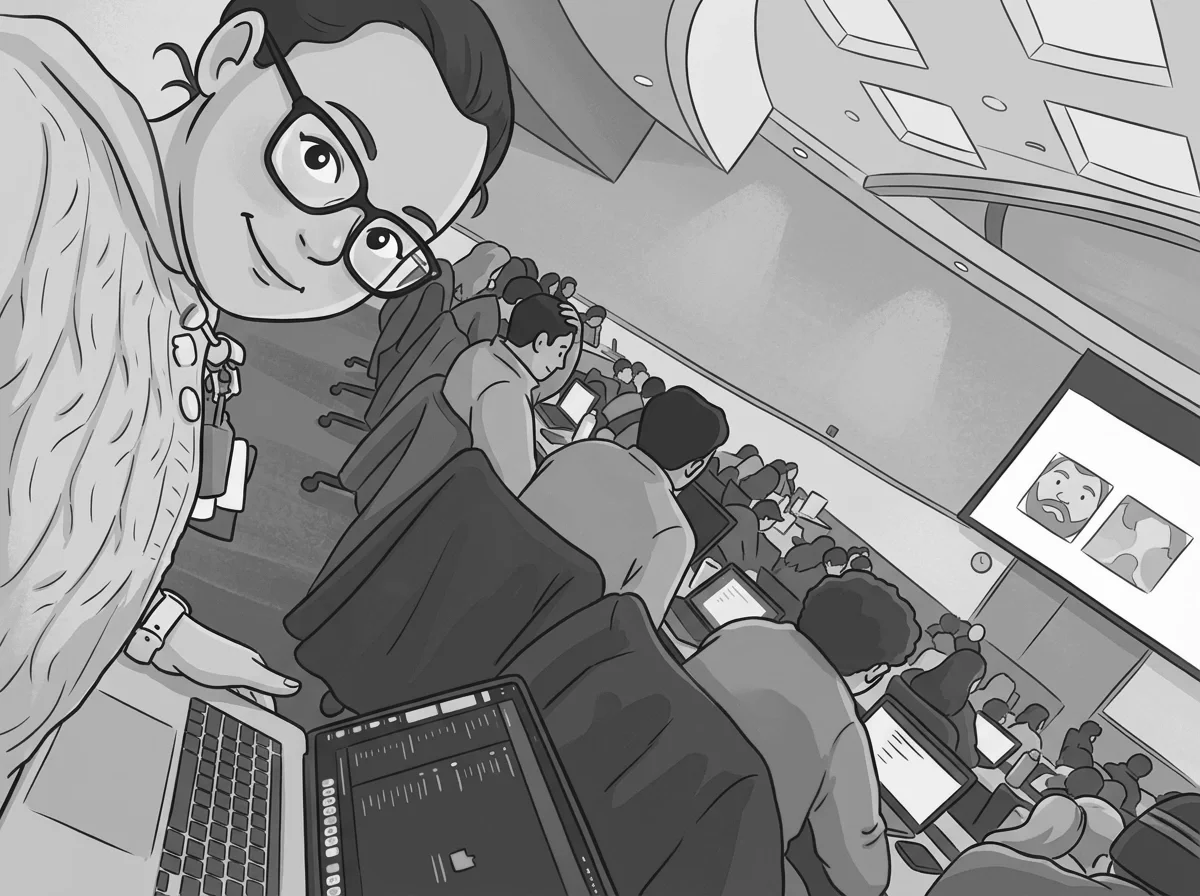
I have spent my career in teaching hospitals and can wholeheartedly speak to the advantages of both practicing and receiving care in these environments. Patient encounters become opportunities not only to apply medical knowledge, but to examine how experienced physicians reason, communicate, and make decisions.
Teaching at the bedside is far more than reviewing medical facts. It is where future physicians learn to deliver difficult news with compassion, acknowledge uncertainty with confidence, partner with families, and earn trust one conversation at a time. Medical knowledge can be learned from textbooks. Professionalism, humility, clinical judgment, and human connection are learned by watching experienced physicians care for real people during real moments.
-
Teaching hospitals turn patient encounters into opportunities to learn. Complex medical concepts are broken down into understandable conversations for students, residents, nurses, and families alike, deepening everyone's understanding not only of what we are doing, but why.
Perhaps the greatest privilege, however, is witnessing the ripple effect a single patient can have across time. An encounter can reinforce the judgment of experienced clinicians, sharpen the skills of younger physicians, and help shape the future practice of DocLings who have not yet entered medicine.
A single hospitalization can improve care today, prepare physicians for tomorrow, and strengthen our profession for generations to come.
Families are essential participants in this process. Their questions challenge us to think more clearly, their perspectives remind us that medicine is ultimately about people rather than diseases, and their willingness to allow learners into deeply personal moments is a gift that extends far beyond their own hospitalization.
Every physician caring for patients today was once a learner standing quietly at the bedside, watching someone else model what medicine should be. While my first responsibility is always to the child and family in front of me, I also have a responsibility to pass that gift forward—to help prepare physicians who will one day care for your children, your grandchildren, and mine, and who will shape not only medicine as it is, but what medicine can be.
Preparing
Physicians
for
What
Comes
Next

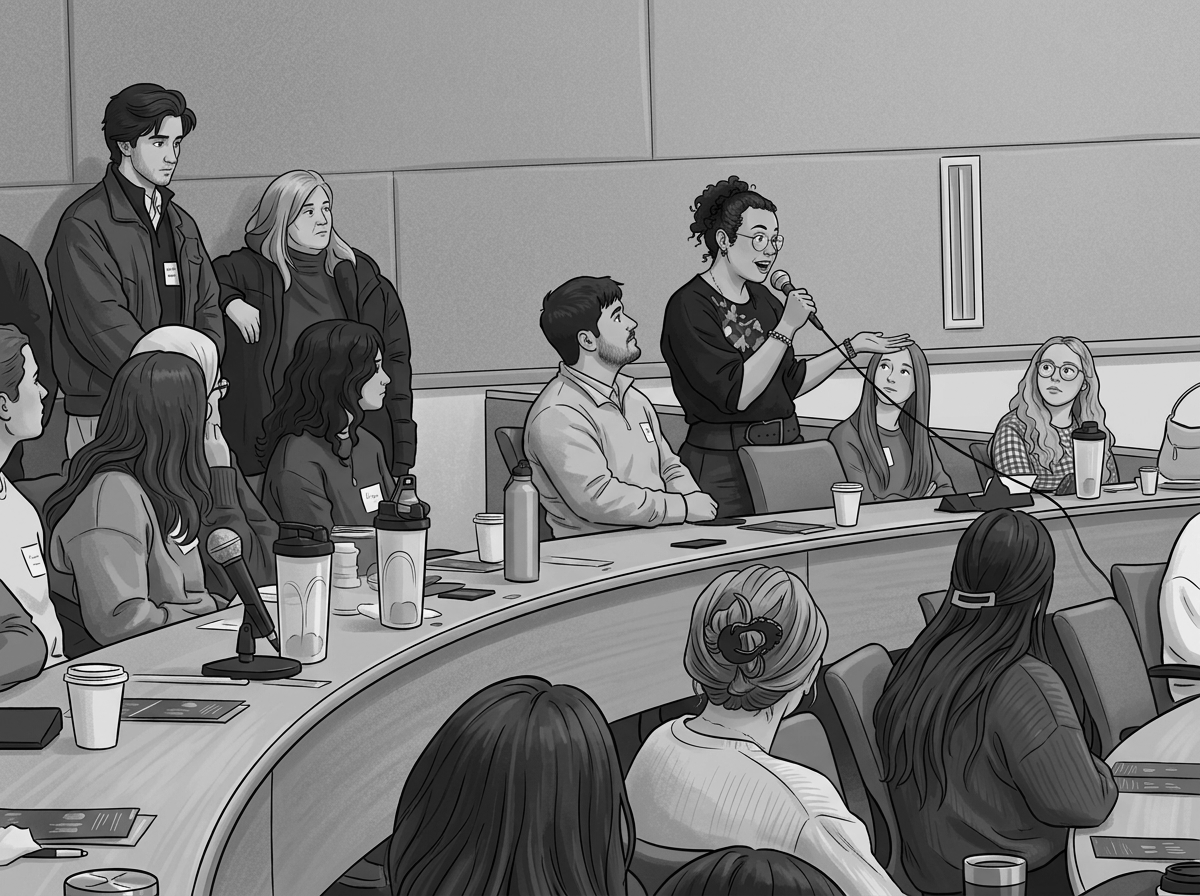
Medical education is necessarily built around milestones: finishing a clerkship, passing an exam, graduating from medical school, completing residency…and so on. But patients do not experience physicians as a collection of completed milestones. They experience whether the human standing in front of them is communicating clearly, or is able to recognize the limits of their own knowledge and ask for help when needed. Patients and families notice who is walking alongside them when things get real and the stakes are high.
Much of my work in medical education has focused on the hard-to-define spaces where learners are asked to show up as something they have never been before. This focus shaped the educational experiences I have developed over the years. One example is the longitudinal transition-to-residency (TTR) curriculum I developed around the practical realities students will encounter as new interns: managing acute clinical emergencies, writing orders, communicating across hierarchies, practicing procedure safety, managing time, and knowing when to escalate concern. This longitudinal course, known as Clinical Medicine Advance Doctoring (CMAD) has since become a graduation requirement for all senior medical students at Boonshoft School of Medicine.
Across my teaching, I also challenge learners to move beyond what physicians know and consider how they exercise judgment when answers are less than clear. Communication, trust, ethical reasoning, and the responsibilities physicians assume when patients place their care in our hands remain recurring themes throughout my scholarly and educational work.
I do not see the endpoint of medical education as readiness to complete the next stage of training. I see it as preparing physicians to carry greater responsibility with competence, judgment, humility, and independence.
Medical education, when done appropriately, produces physicians who are ready not simply for their next role, but for the medicine we will need tomorrow.