Caring
"
The most important patient is the one sitting right in front of me
"
- Miri Lader, MD. |
" The most important patient is the one sitting right in front of me " - Miri Lader, MD. |
I choose to spend my career caring for children who are too sick to be home because there is little more rewarding to me than watching a child get better in real time. Except, perhaps, helping ease the fear and uncertainty of a scared parent. Not only does pediatric hospital medicine allow me to do both simultaneously, it also serves what I believe to be one of medicine's greatest responsibilities: partnering with patients and families during moments of vulnerability and uncertainty, to create a therapeutic alliance that is rooted in trust.
Why Pediatric Hospital Medicine?
Three principles shape how I approach the care of hospitalized children and their families.
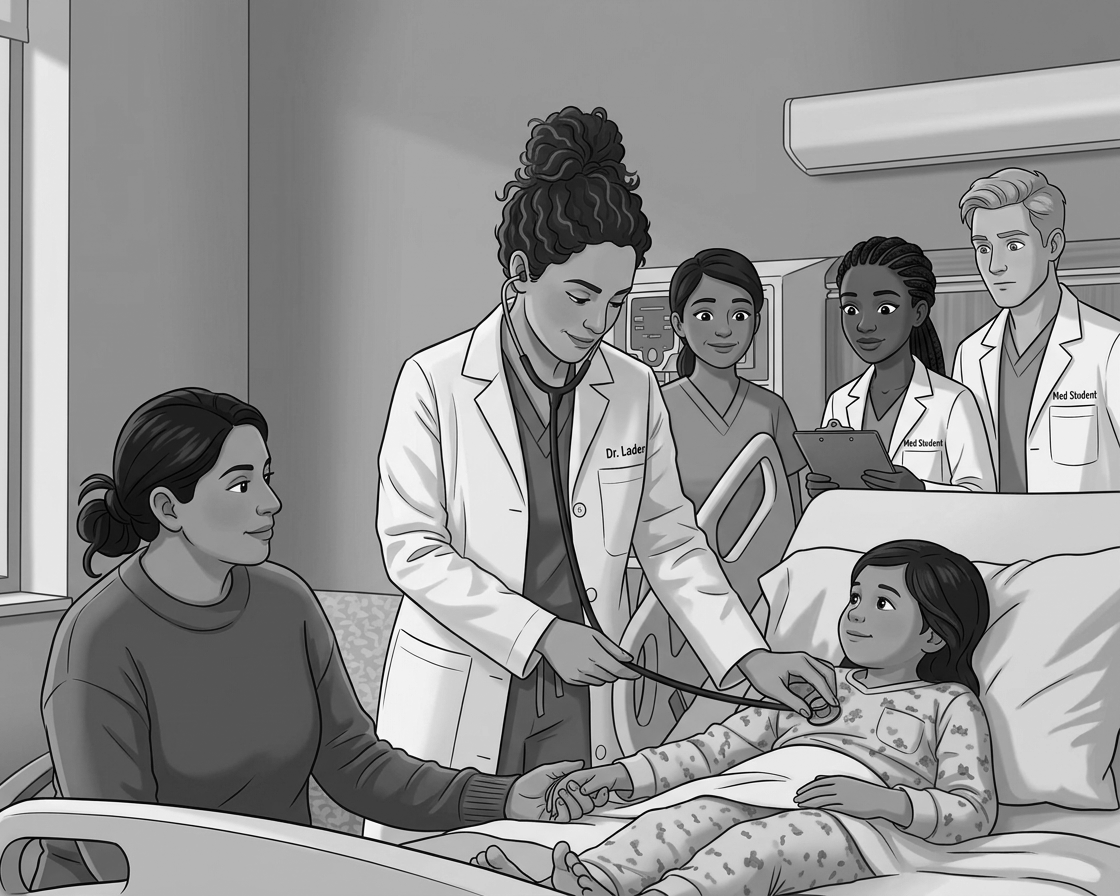
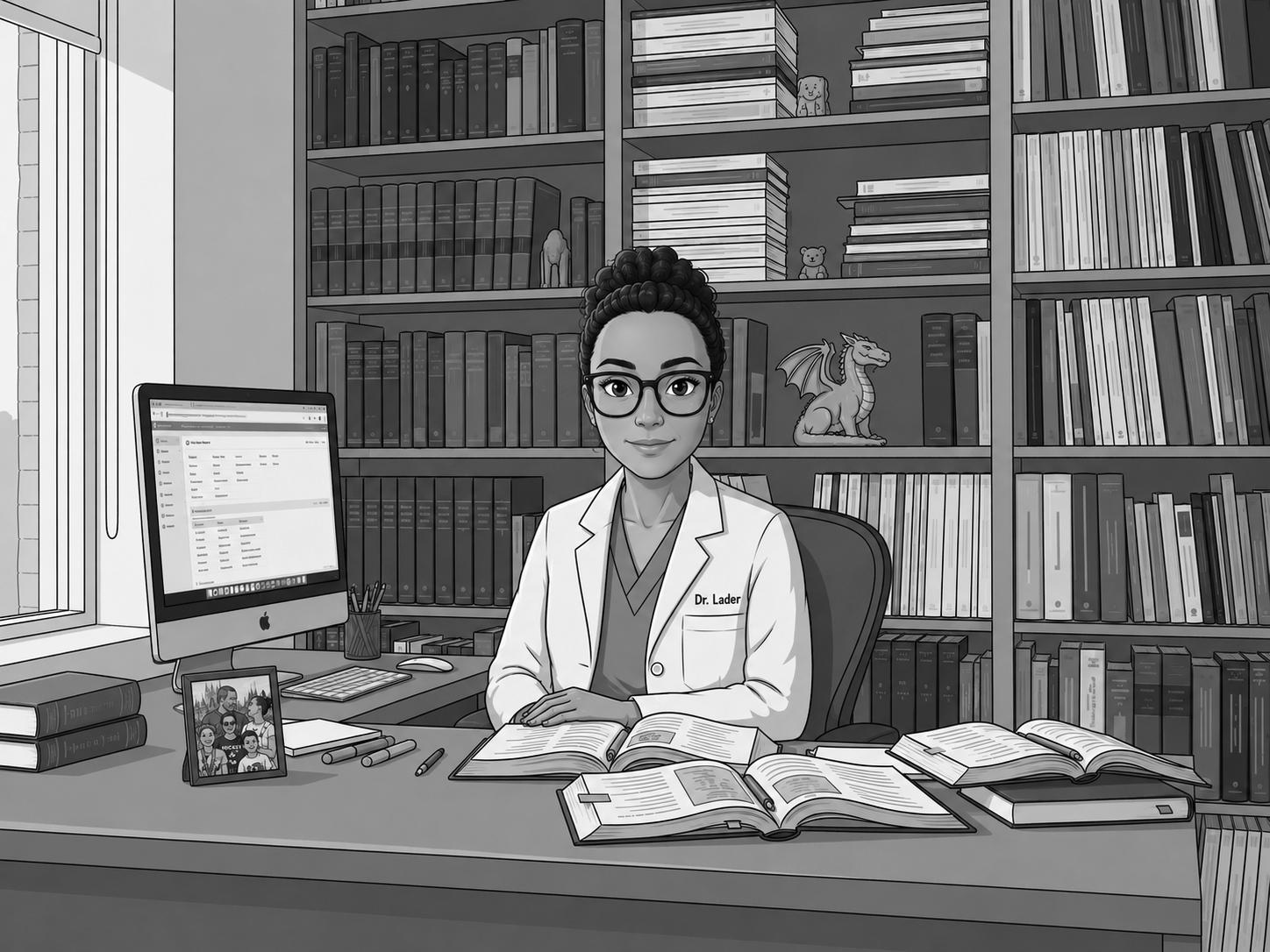
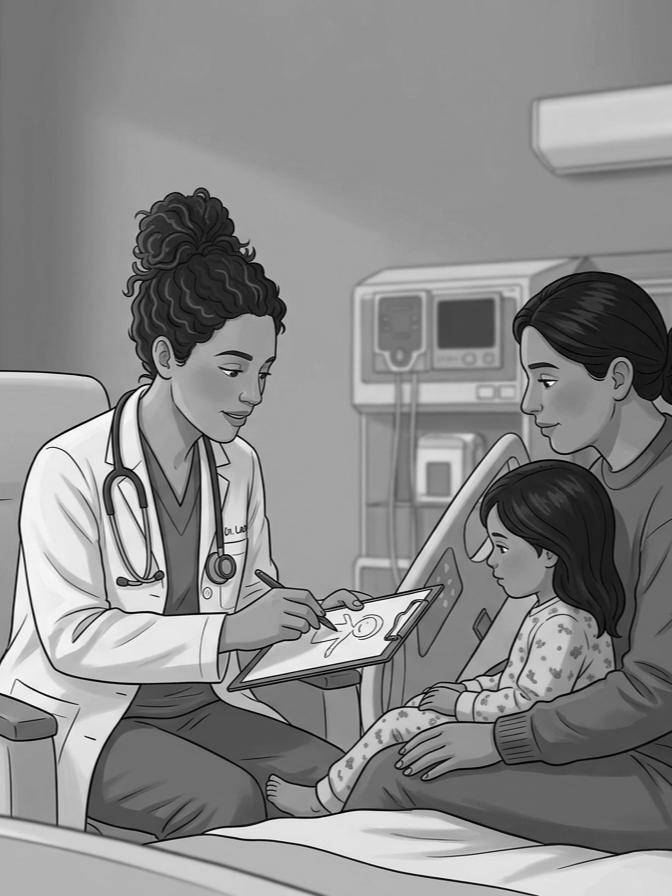
One of the greatest privileges—and responsibilities—of pediatric hospital medicine is caring for children before the diagnosis is clear. While many illnesses declare themselves immediately, others reveal their story only through careful observation, thoughtful reassessment, and time. Rather than viewing uncertainty as something to be feared or hidden, I see it as an essential part of practicing good medicine.
Resisting the temptation to reach a diagnosis too quickly is often just as important as arriving at the correct diagnosis itself. Remaining curious, continually reassessing new information, and being willing to change course as a child's condition evolves are habits that protect patients and improve clinical decision-making. Some of the most important words a physician can say are, "I don't know yet, but here's what we're thinking, what we're watching for, and how we'll know when we have the answer." Families rarely expect certainty from the very first conversation. They do, however, deserve honesty, thoughtful reasoning, and a physician who will remain present throughout the process. I believe that when parents truly understand their child’s illness and treatment plan, they become confident partners in care. My goal is for families to feel heard, informed, and reassured, even during some of the most stressful and uncertain moments of their lives.
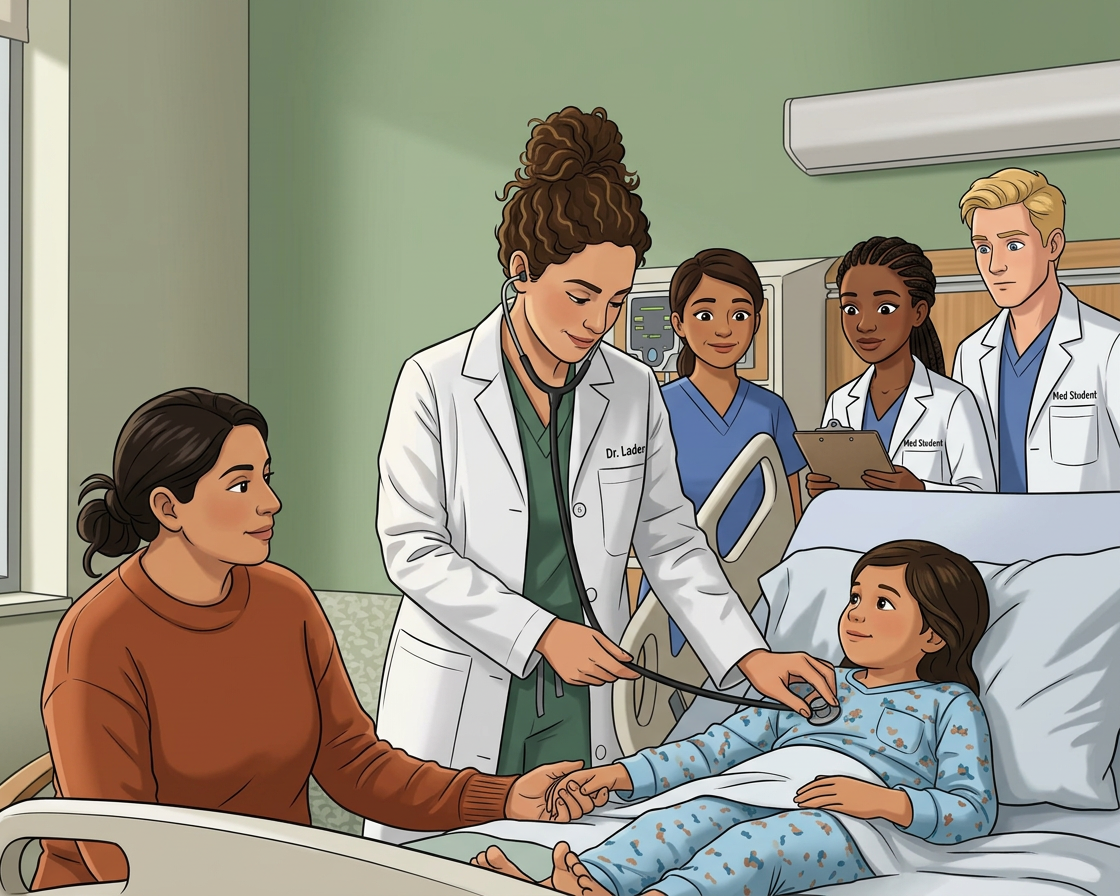
Embracing Diagnostic Uncertainty

Stewarding Trust
At its core, medicine is a profession built on trust. Every day, patients and families entrust physicians with what matters most: their health, their fears, their hopes, and often the lives of those they love. That trust is neither automatic nor guaranteed. It is earned through scientific excellence, sound clinical judgment, humility, honest communication, and an unwavering commitment to placing patients first.
Medicine is often celebrated for its scientific discoveries, technological advances, and remarkable treatments. While those achievements have transformed countless lives, I believe the foundation of excellent medical care remains profoundly human. Every interaction between patient and physician is a relationship in which one seeks help and the other accepts the responsibility to serve.
-
To me, physicians are more than providers of medical expertise; we are stewards of trust. Every interaction either strengthens that trust or weakens it. Every difficult conversation, every explanation, every acknowledgment of uncertainty, every extra moment spent, or every hurried exit from the room, shapes how patients and families experience not only their physician, but the medical profession as a whole.
Communication is one of the primary ways we demonstrate that we are worthy of that trust. I believe the responsibility for effective communication rests with the physician, not the patient. Our role is not simply to provide information (especially in a world where patients have boundless access to unfiltered information), but to ensure understanding. It is our professional responsibility not only to communicate clearly, but also to listen carefully for signs of confusion, adapt our approach, and try again. There are times when even our patients don't realize they are confused. A good physician uncovers those hidden misunderstandings and corrects them before harm is done, rather than assuming the message has been accurately received. Taking ownership of that responsibility, especially when communication falls short, is fundamental to building the therapeutic alliance that allows medicine to succeed and relationships to grow.
The architecture of trust does not require certainty; it requires honesty, transparency, and the confidence that the human sitting across from you cares enough to remain present and walk through uncertainty alongside you. That is the role physicians should strive to fulfill.
This philosophy has shaped not only my work at the bedside, but also my approach to teaching future physicians and designing educational systems. Whether caring for a hospitalized child, mentoring a resident, leading a quality improvement initiative, or contributing to medical scholarship, I return to the same guiding belief: one of the physician's greatest responsibilities is to strengthen the trust that patients, learners, colleagues, and society place in our profession. Scientific knowledge should guide our recommendations and decisions, but it is trust that allows medicine to truly fulfill its purpose.
What Families Can Expect When I Care for Their Child
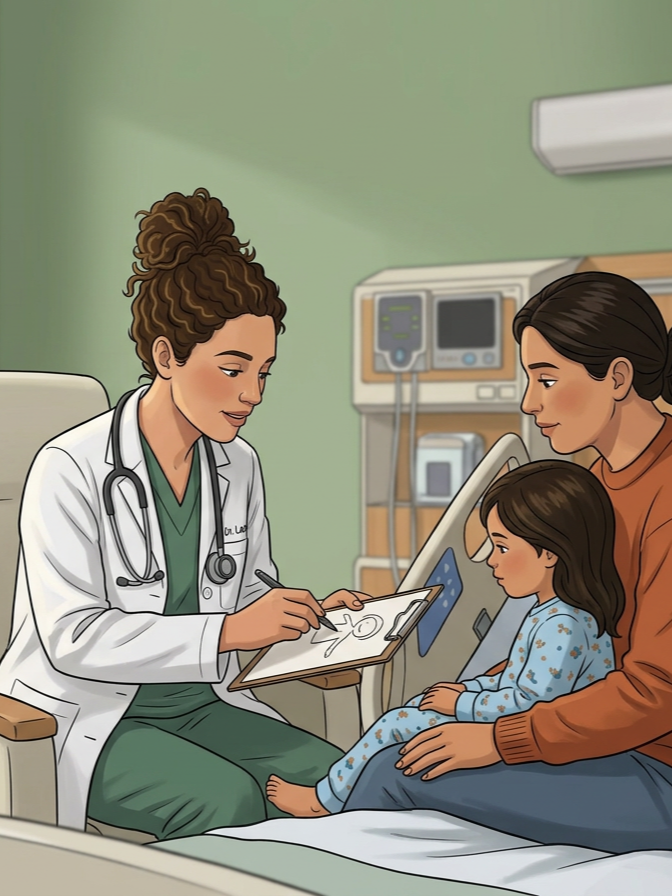
When your child is hospitalized, you deserve more than excellent medical care. You deserve a physician who listens before speaking, explains before deciding, and remains present even when answers are not yet clear. If I have the privilege of caring for your child, you can expect me to treat them with the same compassion, diligence, and respect I would want for my own family.
I will always be honest with you, even when the answer is "I don't know yet," and I will explain not only what we are doing, but why. I welcome your questions, concerns, and observations, because no one knows your child better than you do. Above all, you can expect that I will work daily to earn and maintain your trust through thoughtful medical care, clear communication, and an unwavering commitment to our partnership in caring for your child.